Banff · Canada · September 29, 2024
Snow at Lake Louise, kangaroos in Kelowna | Canadian Rockies
Seven days from BC to Alberta and back, overnights in five towns, plus ten things that made the October weather bearable.
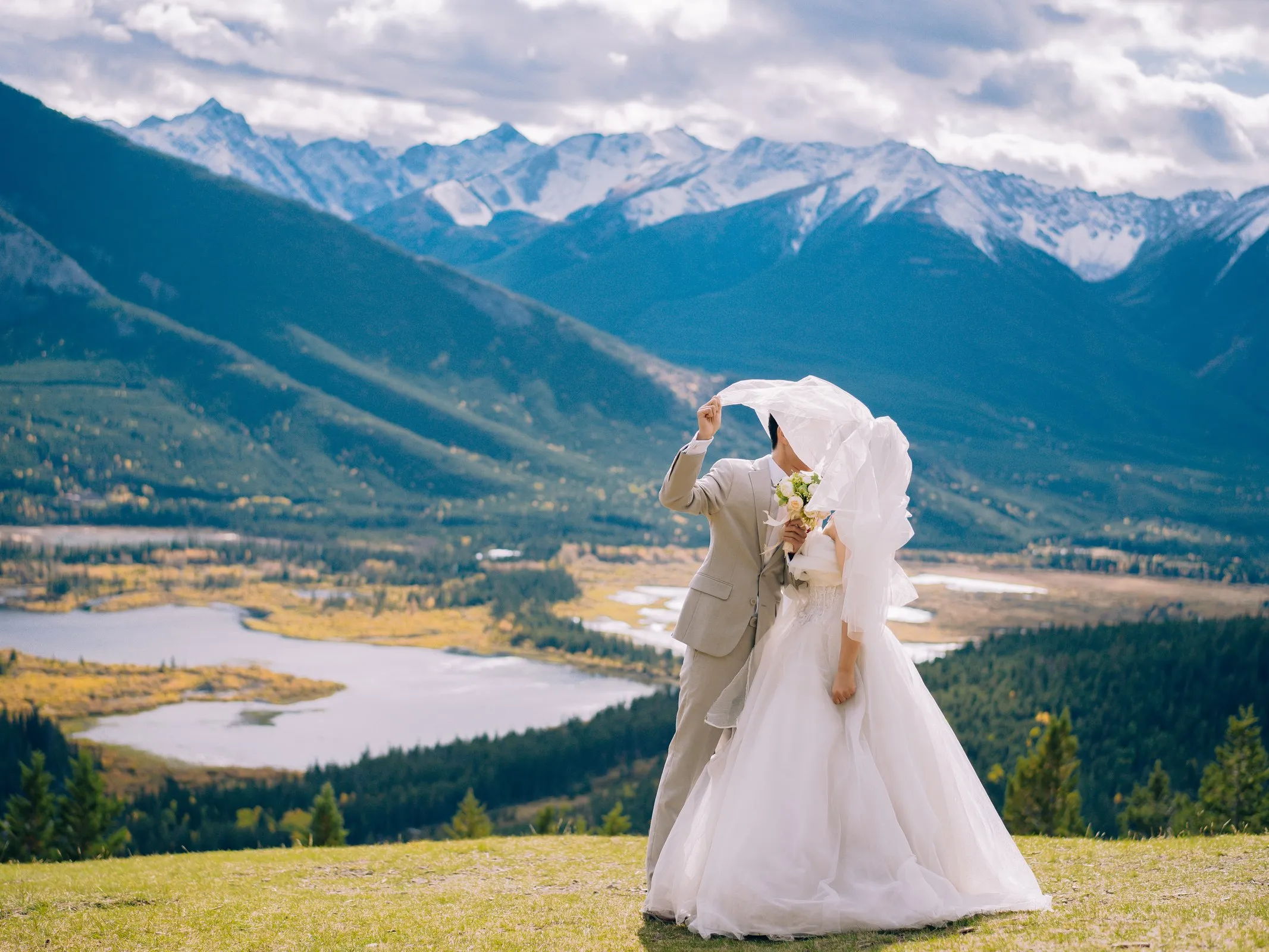
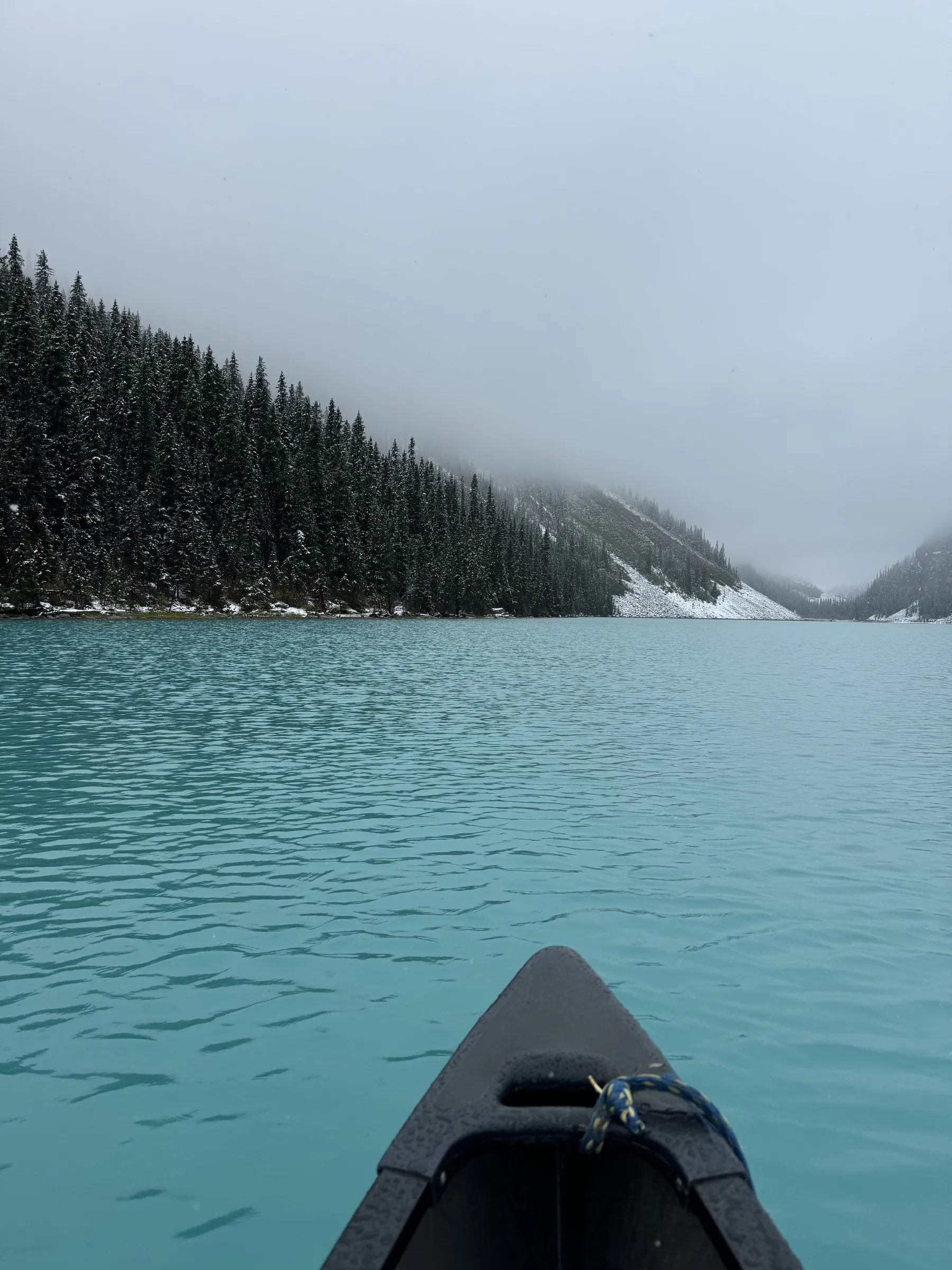
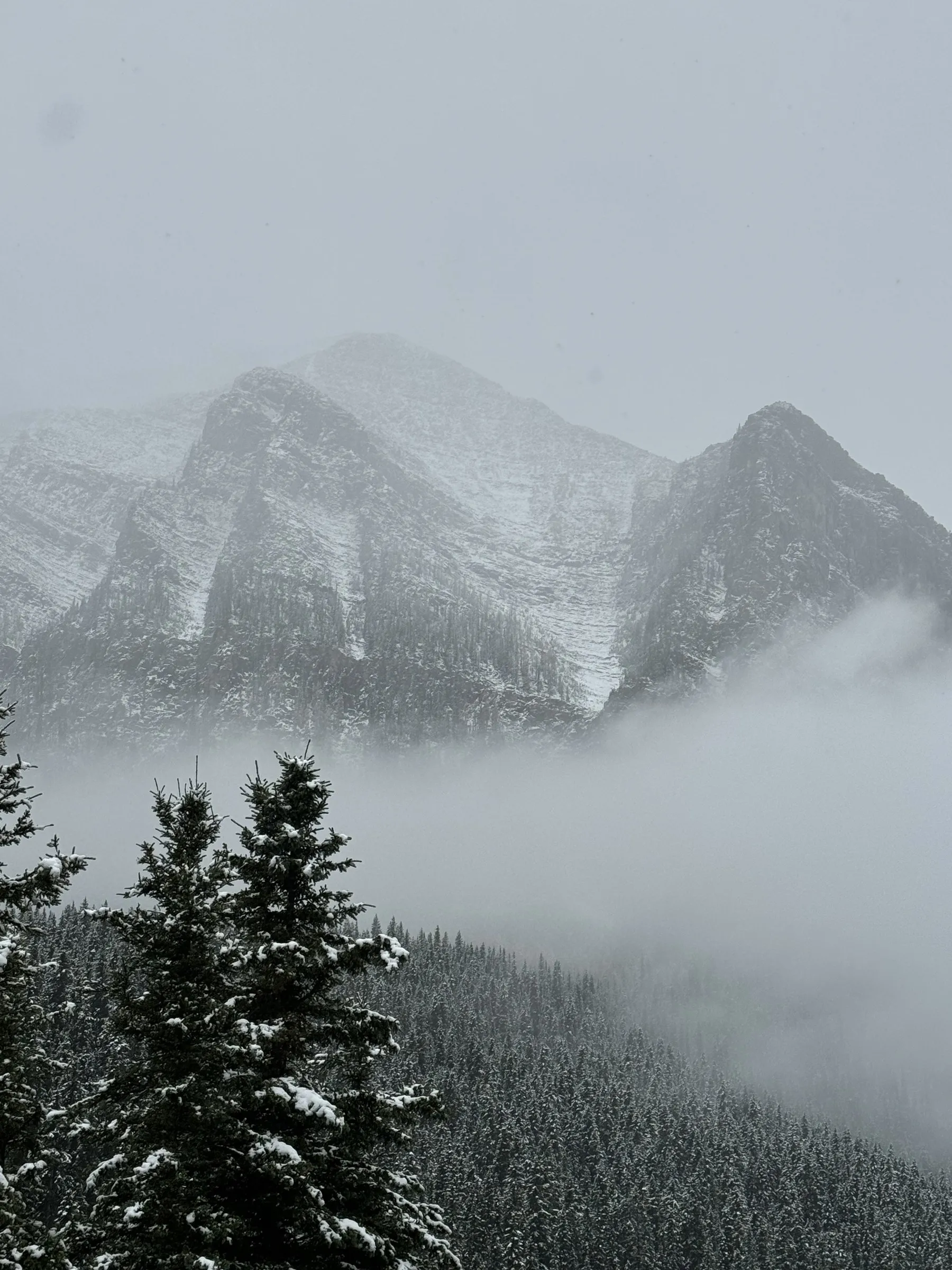
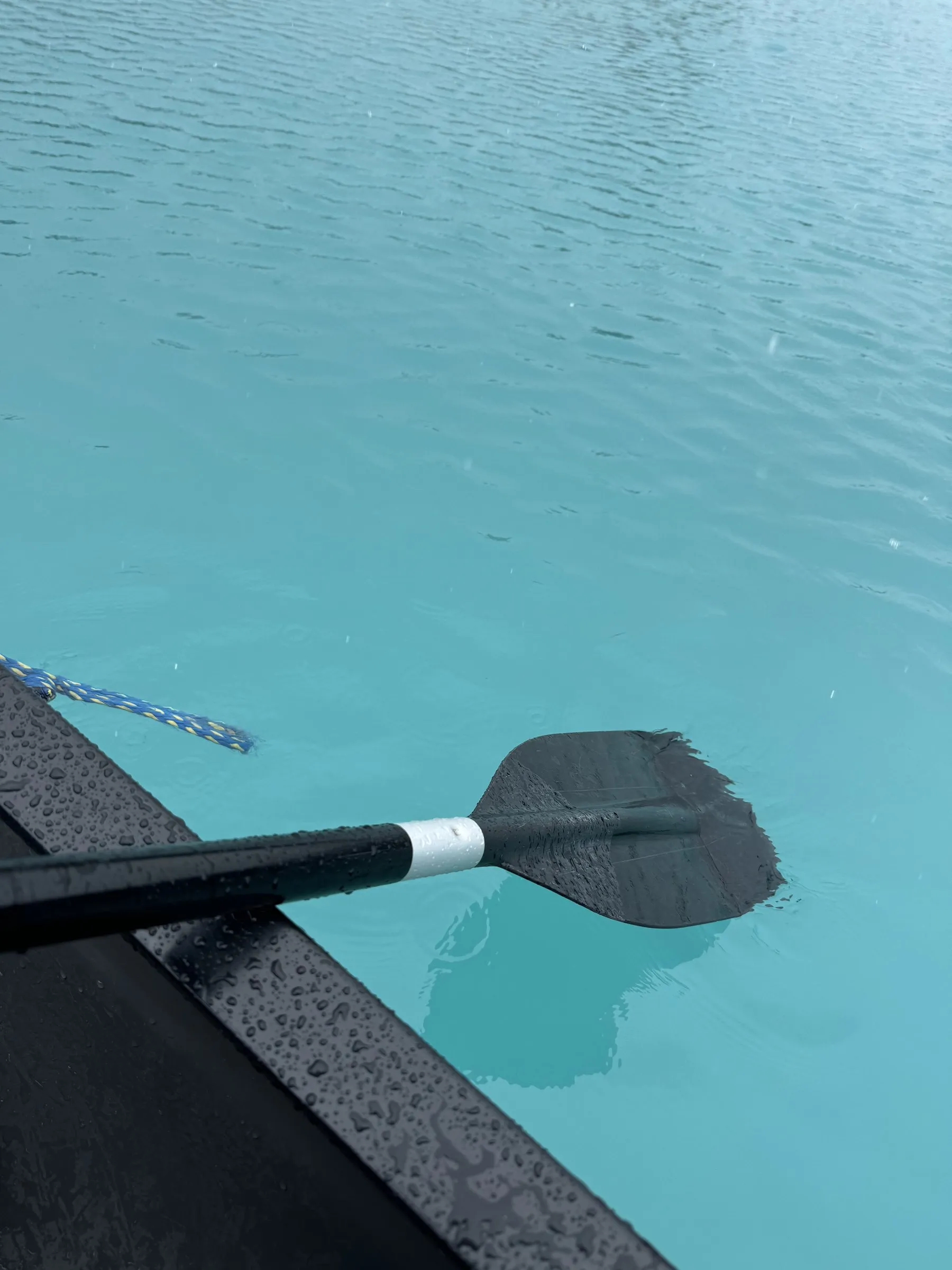
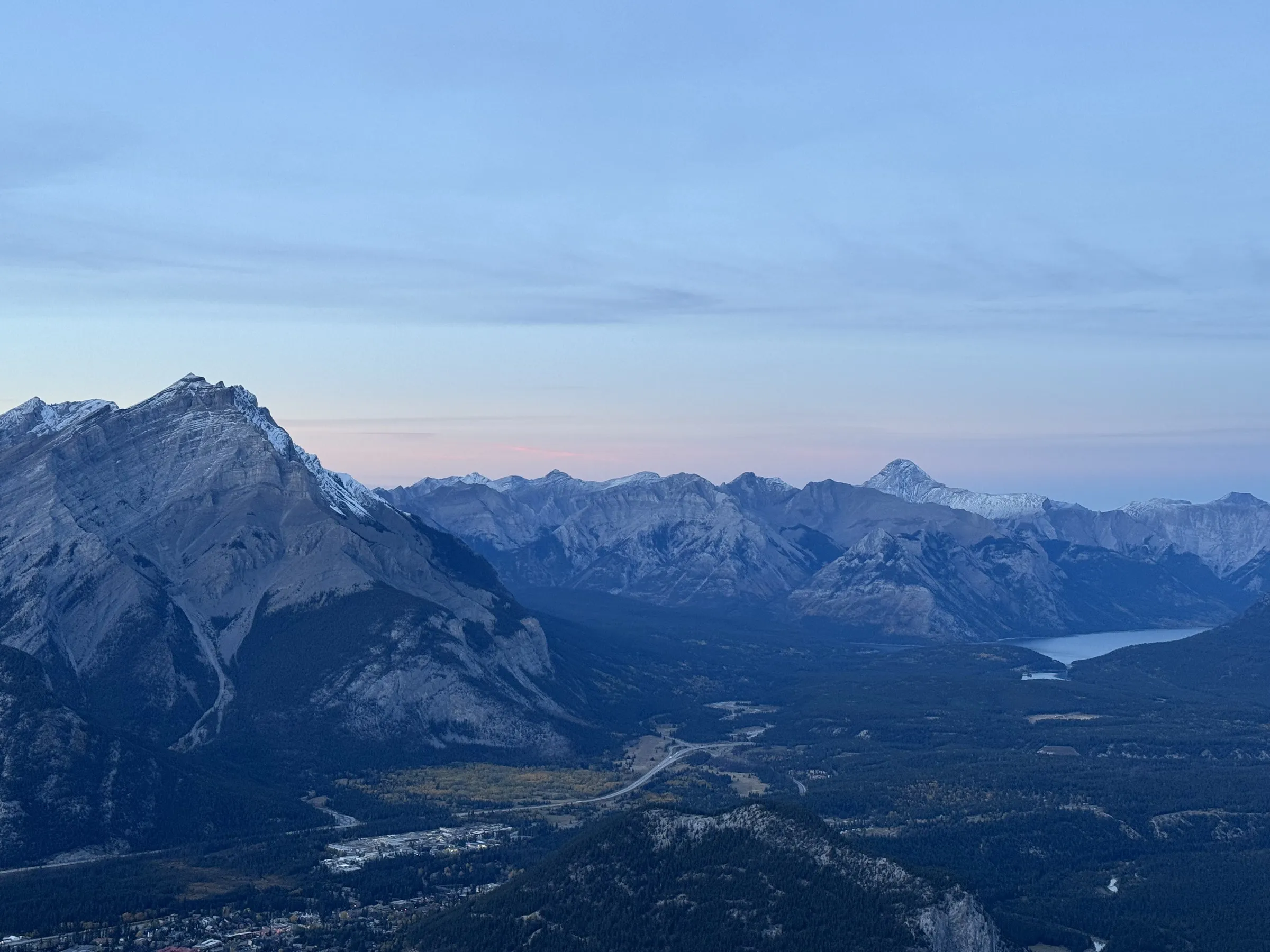
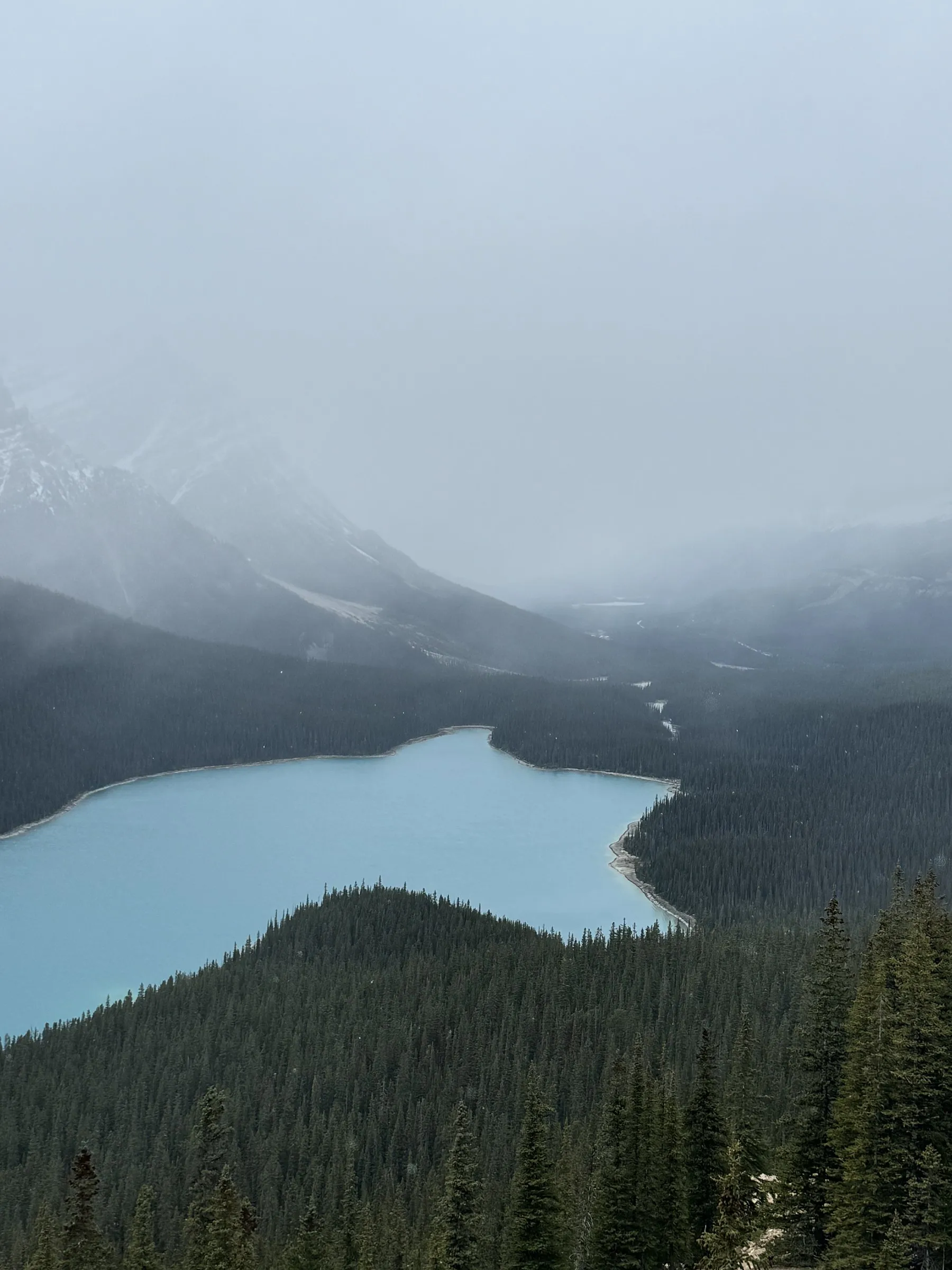
We drove the Vancouver–Banff loop in late September into early October 2024 — a seven-day trip with overnights in five different towns. The reason we went, beyond the Rockies themselves, was wedding photos: a dress fitting in Calgary on the way out, and a photographer in Banff after. What I wish someone had told me before we left: October weather in the mountains is its own animal, BC and Alberta really do enforce the winter-tire rule on the highways, and one of the most-recommended hotels on the route was the one I’d skip next time.
The route at a glance
- Night 1 — Vancouver → Kelowna
- Night 2 — Kelowna → Revelstoke
- Nights 3–4 — Revelstoke → Calgary (the dress-fitting stop)
- Night 5 — Calgary → Banff
- Night 6 — Banff → Valemount
- Day 7 — Valemount → Vancouver (about seven hours)
Hotels along the way
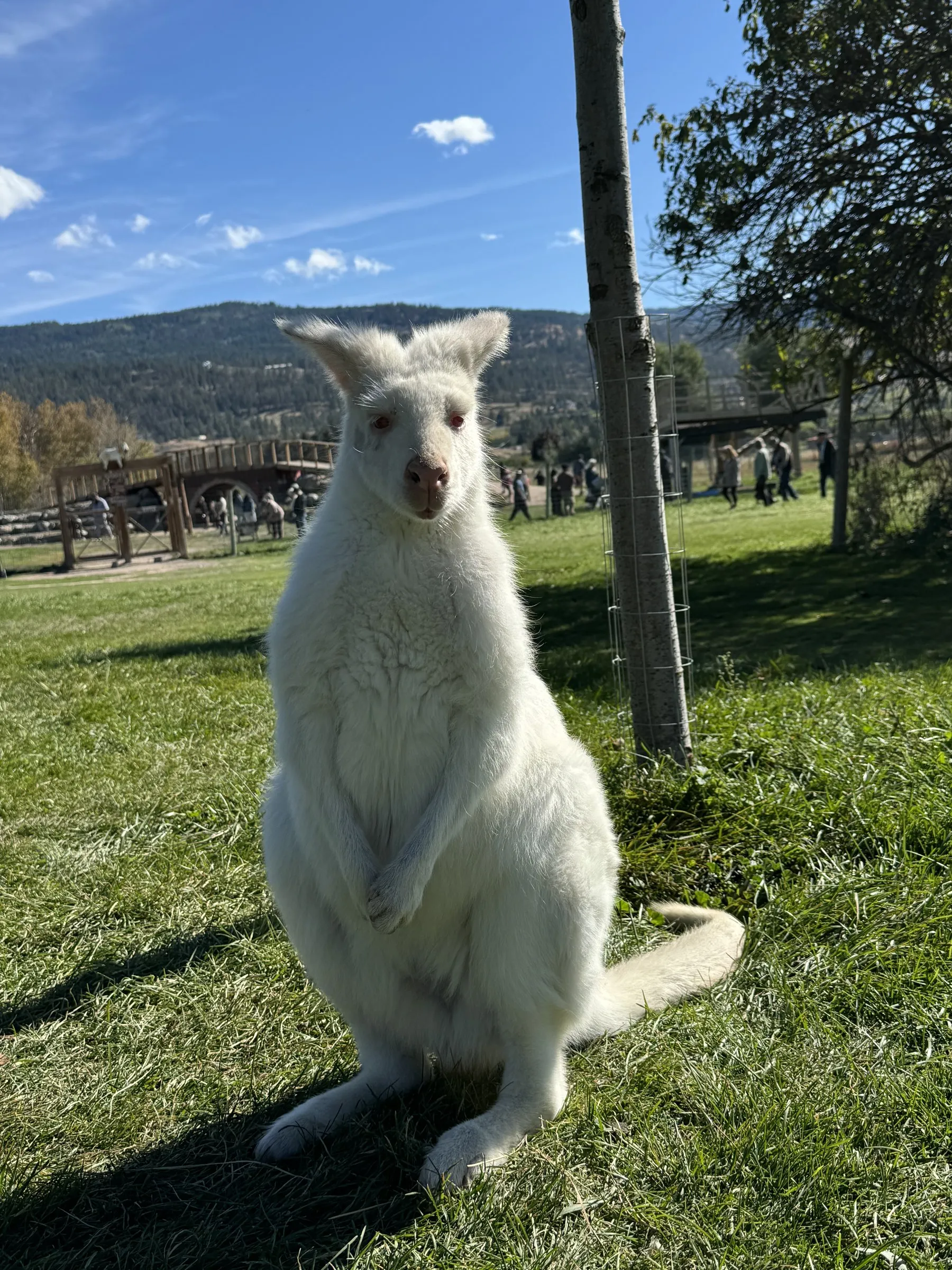
Kelowna — The Royal Anne Hotel. Strongly recommend stopping. Around CAD $200 a night, restaurants nearby, underground parking (safer at night), free breakfast — solid value. The reason to stop in Kelowna at all: the kangaroo farm. You can pet kangaroos and capybaras. An hour or two passes quickly and feels like the most distinctive thing on this whole route.
Revelstoke — Basecamp Resorts. The one I’d skip. It gets a lot of hype, but: it sits at the edge of town, runs ~$200+ when other Revelstoke hotels are often around $100+, has no breakfast, and is structured like an Airbnb where you handle the cleaning and trash on departure (which made me anxious about cleaning-fee charges). The view from the window is genuinely nice, and there’s a kitchen — families cooking together might get more out of it than two of us doing a one-night transit stop. Revelstoke itself didn’t have much to do on a quick visit, and the only overpriced meal of the whole trip was here.
Calgary — Delta Hotel Calgary South. The big positive surprise. A Marriott property — and the only hotel on the entire route that gave us slippers and bottled water. The on-site hot tub was a relief after a long drive; the hotel restaurant has a pool table, beer, and games. A genuinely chill night.
You don’t really need a Calgary stop on a Banff-focused itinerary; we only stayed two nights because of the dress fitting. If you have a reason to be there, this is the hotel that makes it pleasant.
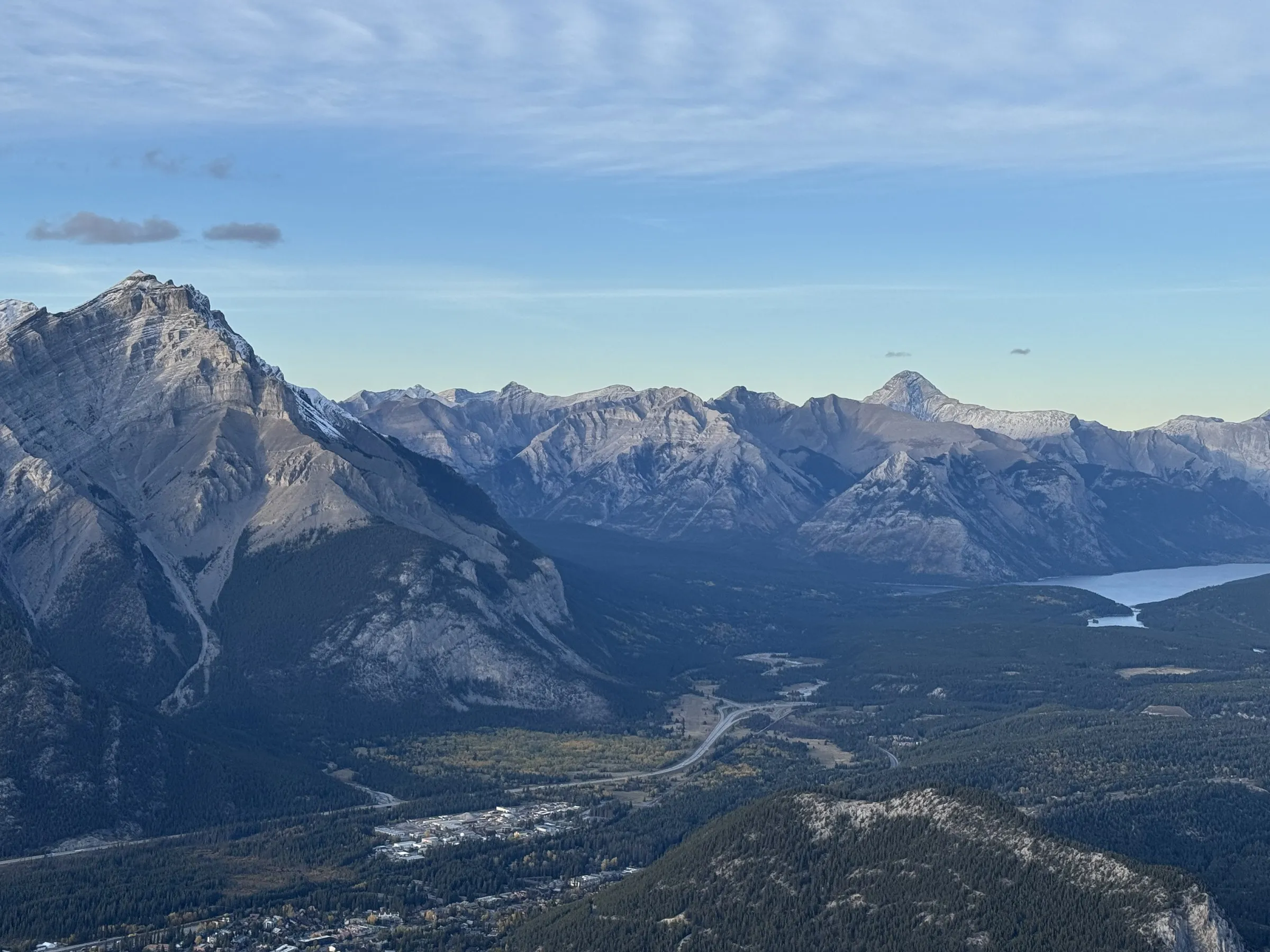
Banff — Juniper Hotel. Stopping in Banff is non-negotiable, so let’s just talk about the hotel. Juniper sits near Banff town — convenient for food and activities — and runs ~$300 a night, which is on the lower end for the area. The location and the surroundings are beautiful. The rooms themselves are pretty average and the sound insulation is poor. Worth it for the price-to-location ratio; don’t expect a great room.
Valemount — Comfort Inn & Suites. The most surprising stay of the trip. CAD $111 a night — the cheapest by a wide margin — but the room was big, the heat worked, and there was a free breakfast with a real view out the window. If your last leg has to break the seven-hour Valemount-to-Vancouver drive, this is where to do it.
Ten things to pack for October Banff
-
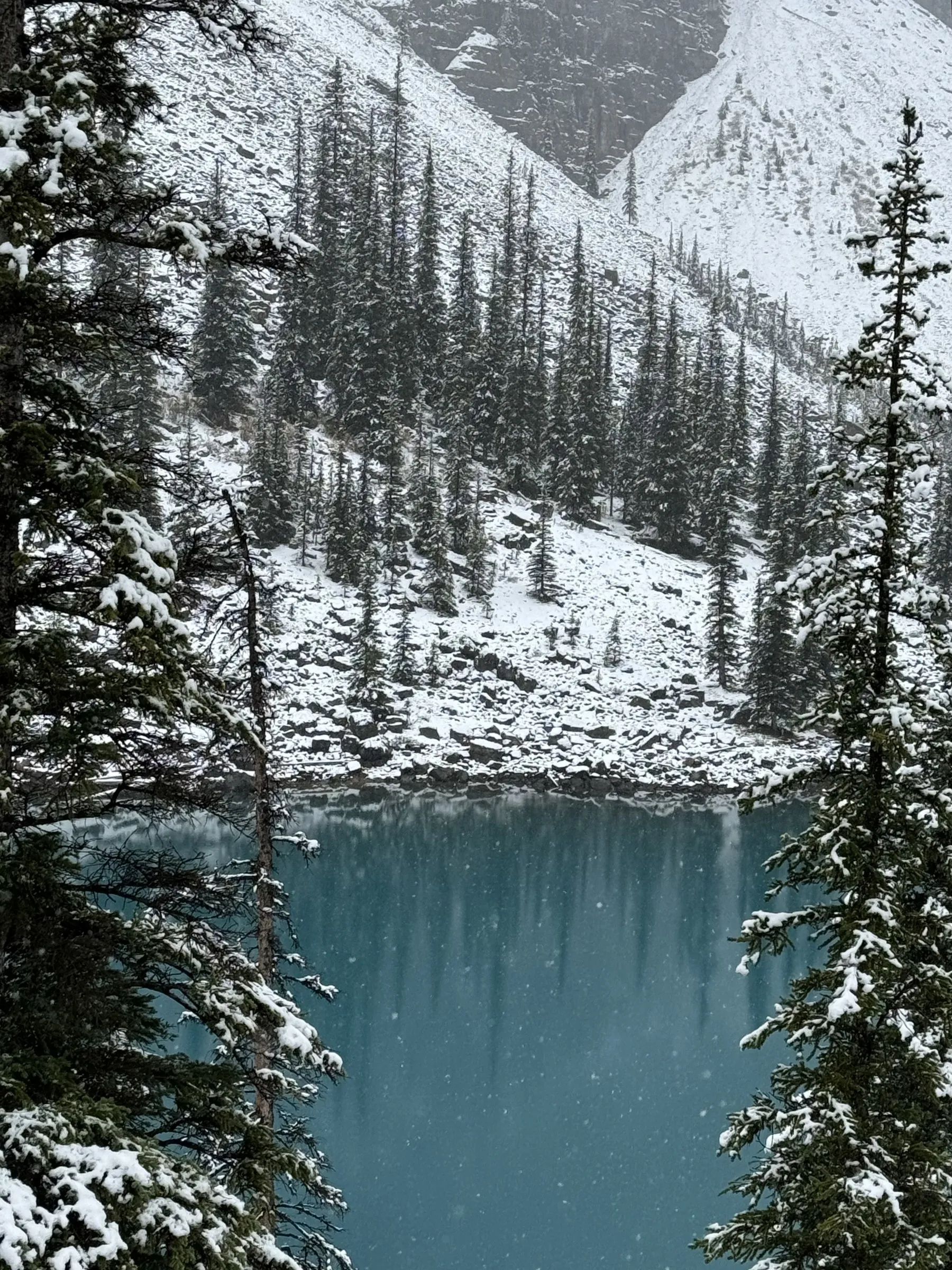
A flexible attitude about the weather. Snow-covered Lake Louise is not the photo on the brochure. It’s still beautiful — paddling Lake Louise in snow is its own kind of experience — but mentally prepare to swap the brochure shot for whatever the mountains hand you.
-
Hand warmers. Costco sells them in a big box. They stick anywhere, and sticky-anywhere matters.
-
Hiking shoes. Even at viewpoints that look “drive-up” — Moraine Lake is the example — the best angle requires a 10–20 minute mini-hike. October ground is wet or icy; regular shoes slip.
-
Slippers, toothbrush, toothpaste, bottled water. Many of the smaller hotels along this route don’t provide them. Slippers especially — you don’t want to walk barefoot on hotel floors.
-
Offline maps. Download a large area of Apple Maps (or your map app of choice) offline before you leave. Many road sections have no signal — by the time you realize you need the map, you can’t download it.
-
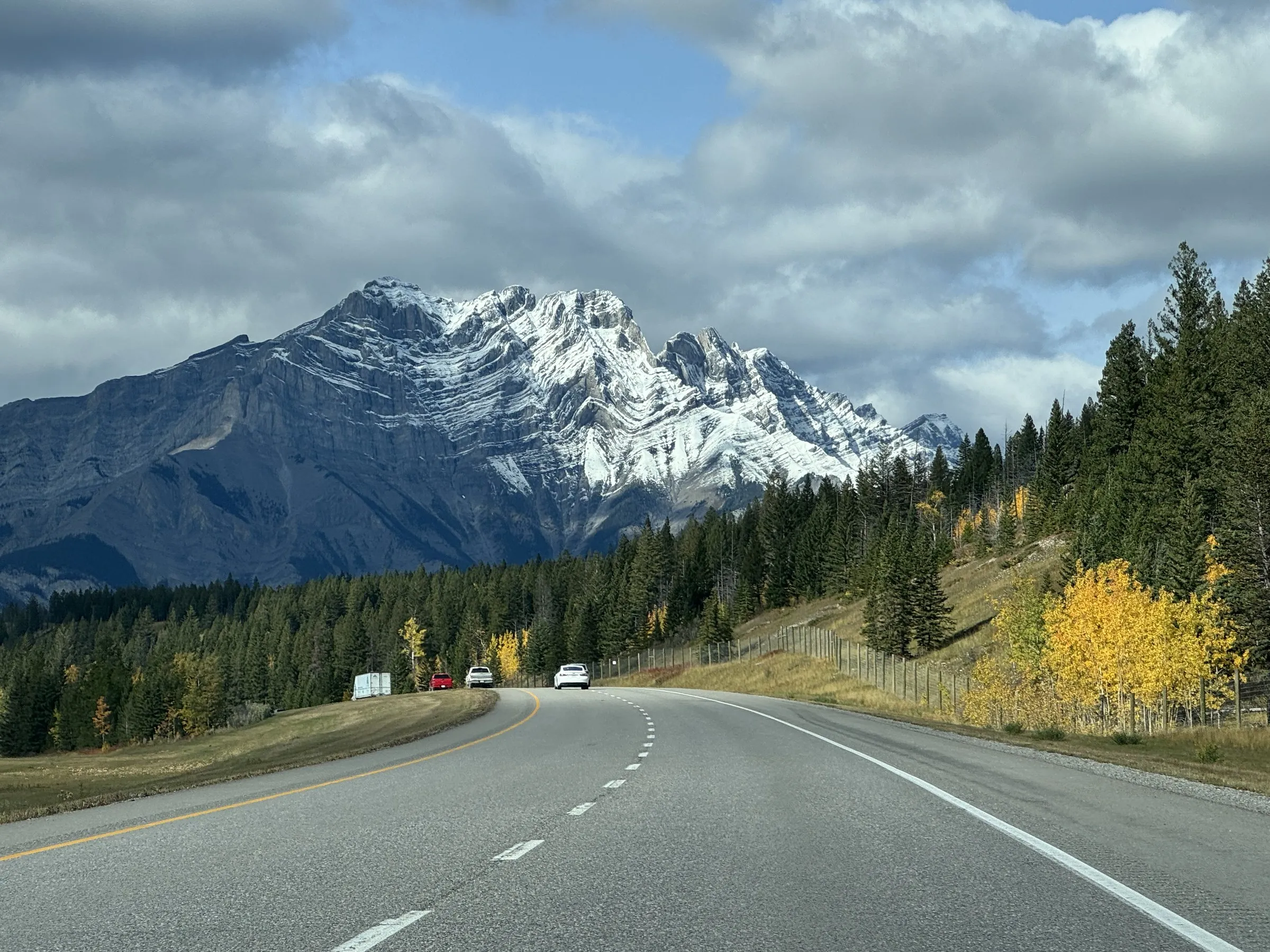
Winter tires. BC and Alberta highways require winter tires on many sections from October onward. The M+S rating is the legal minimum many drivers get away with, but the 3-peak snowflake rating is the safer call in real snow. We hit both rain and snow on this trip and were glad for the better tires.
-
Gloves and a hat. Necessary if you plan to paddle on Emerald Lake or Lake Louise — the paddles get genuinely cold to hold. The hat is for everything else: wind, rain, just standing around.
-
Three websites I checked daily.
- 511 Alberta — Highway 93 / Icefields Parkway conditions and closures.
- DriveBC — the BC highway sections.
- A weather site that gives 10-day forecasts for specific lakes — so you can pick the clearest day to visit each one.
-
A swimsuit. A surprising number of hotels along this route have hot tubs. Soaking after a freezing day is the best part of the trip nobody talks about.
-
Cruise control, and a water bottle with a straw. Cruise control is the difference between getting to the next town with energy and arriving frazzled — and Alberta drivers, especially around Calgary, do not speed. Cruise control keeps you from accidentally being the one car doing 130. A water bottle with a straw is just easier to drink from while driving.
Worth it?
Yes. The dress fitting in Calgary worked, the photos came out, and we drove the whole loop on snow tires that earned their cost on the first afternoon. The drive itself is half the trip — pace it with overnight stops in towns you actually want to be in, and don’t assume the most hyped hotel on the route is the right one.
Comments
Comments are powered by GitHub Discussions. You'll need a GitHub account to post.