Big Island · United States · February 13, 2026
Above the volcano, beneath the Milky Way, between the waves | Hawaii
A Kona–Hilo loop with manta rays, sea turtles, a Mauna Kea sunset, and — if you time it right — an actual eruption at Volcanoes National Park.
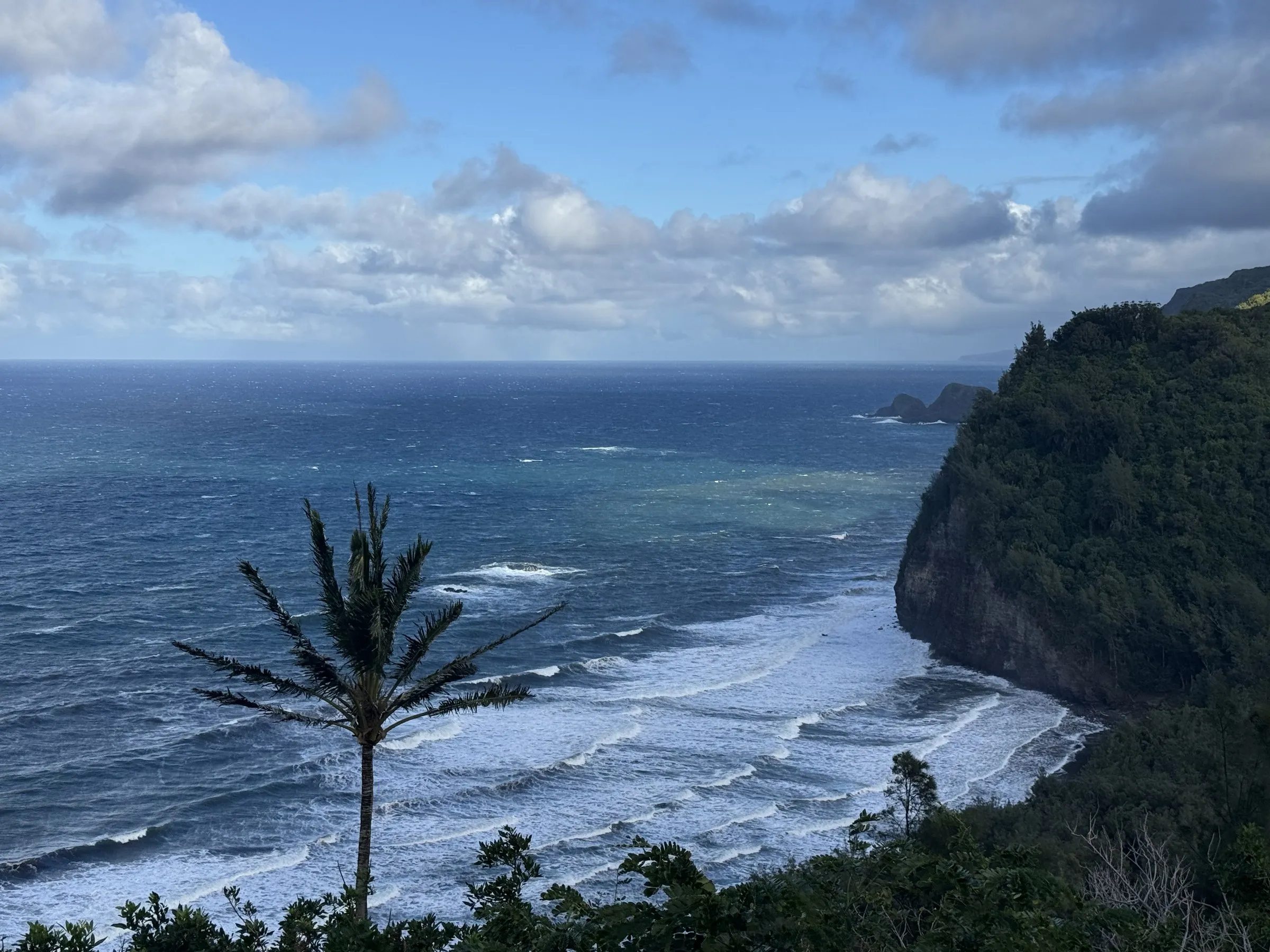
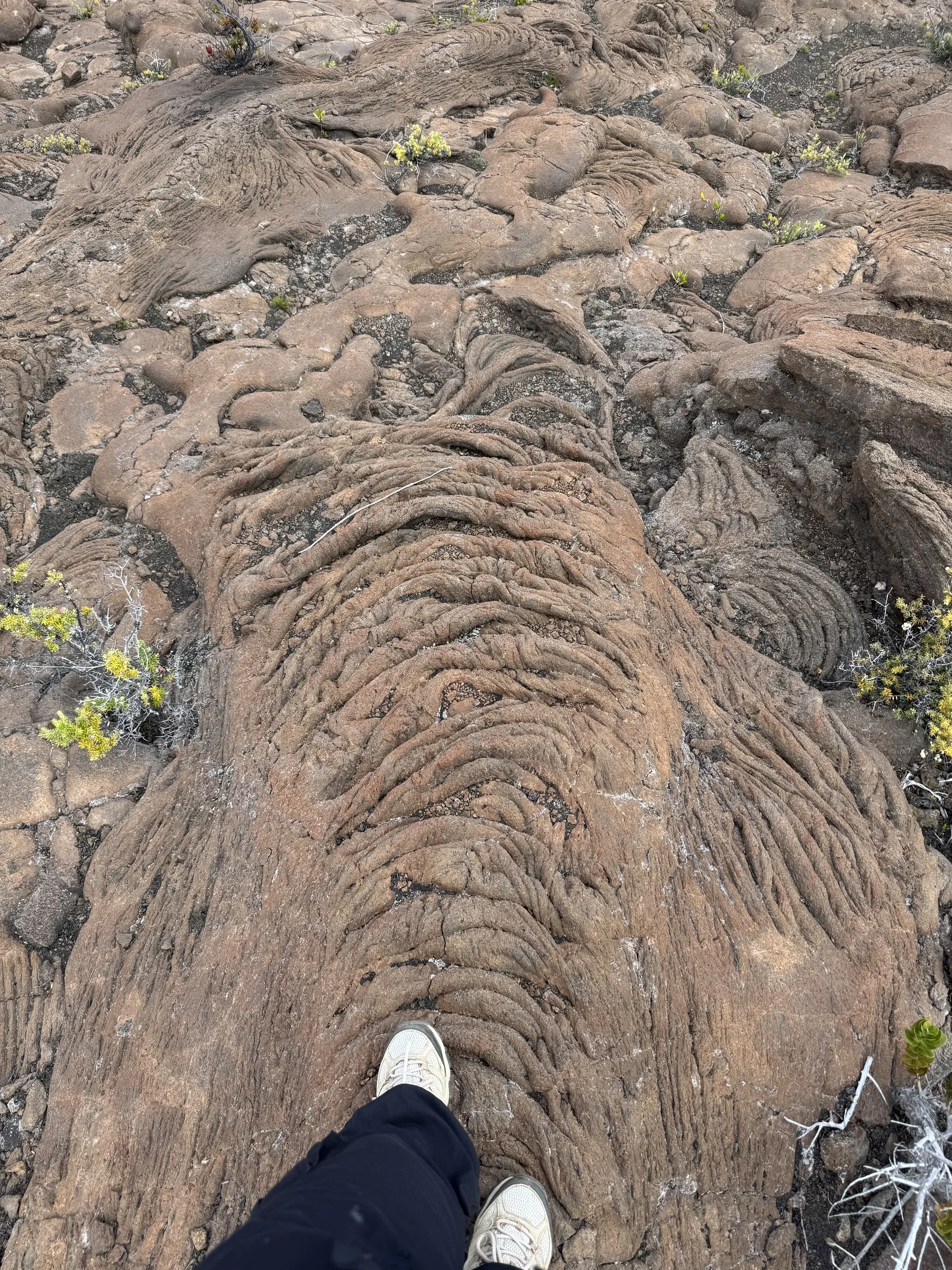
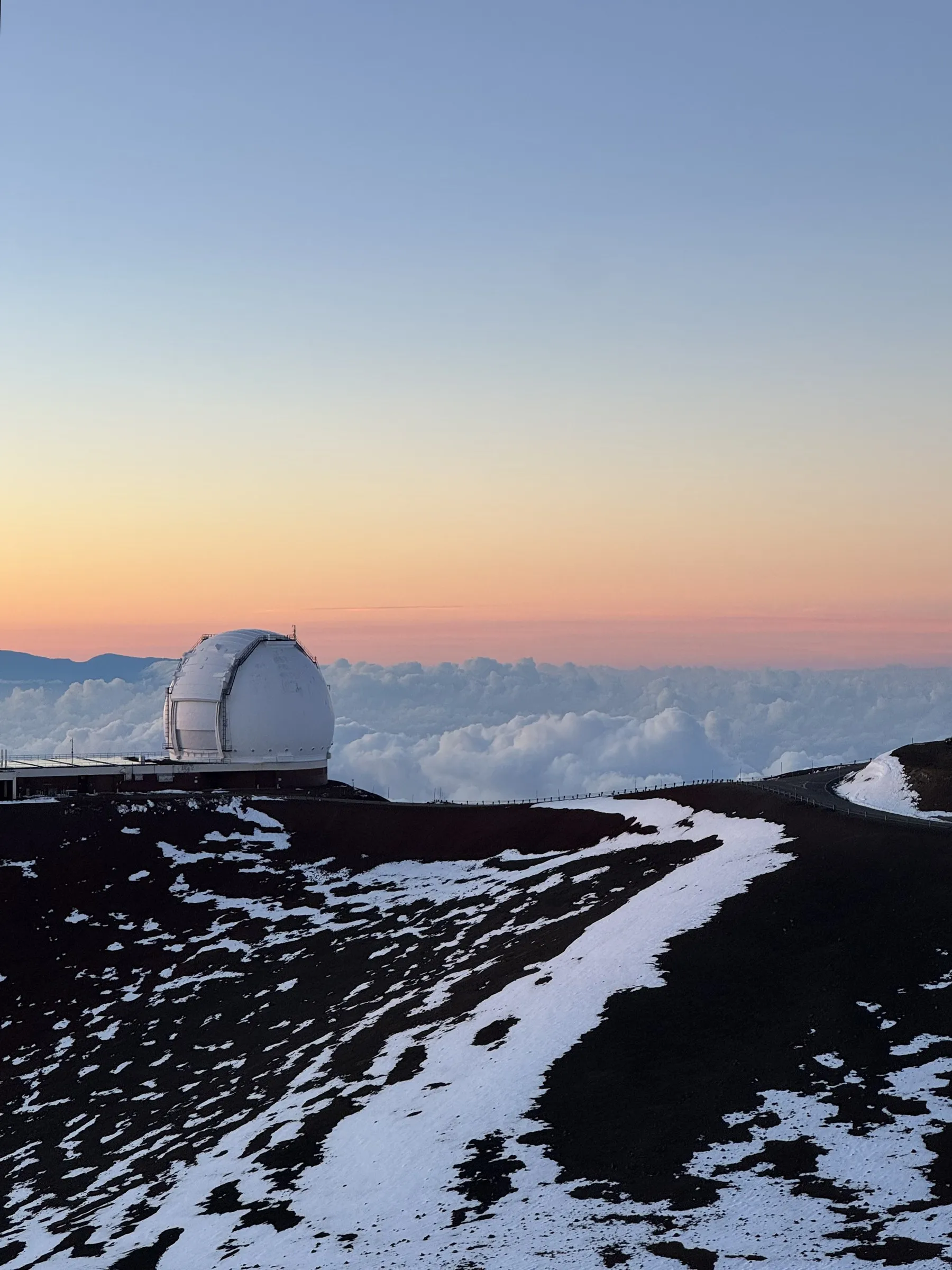
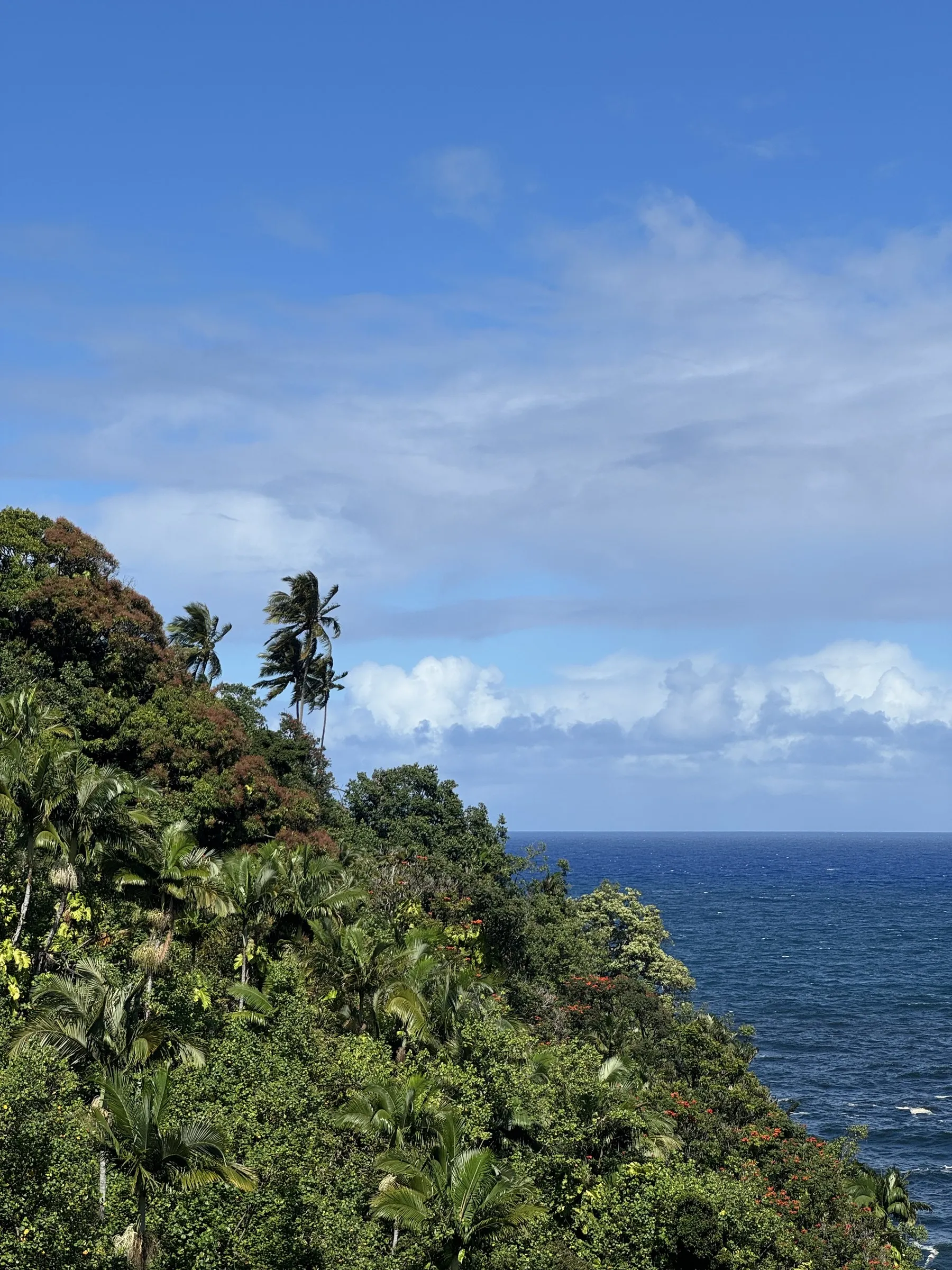
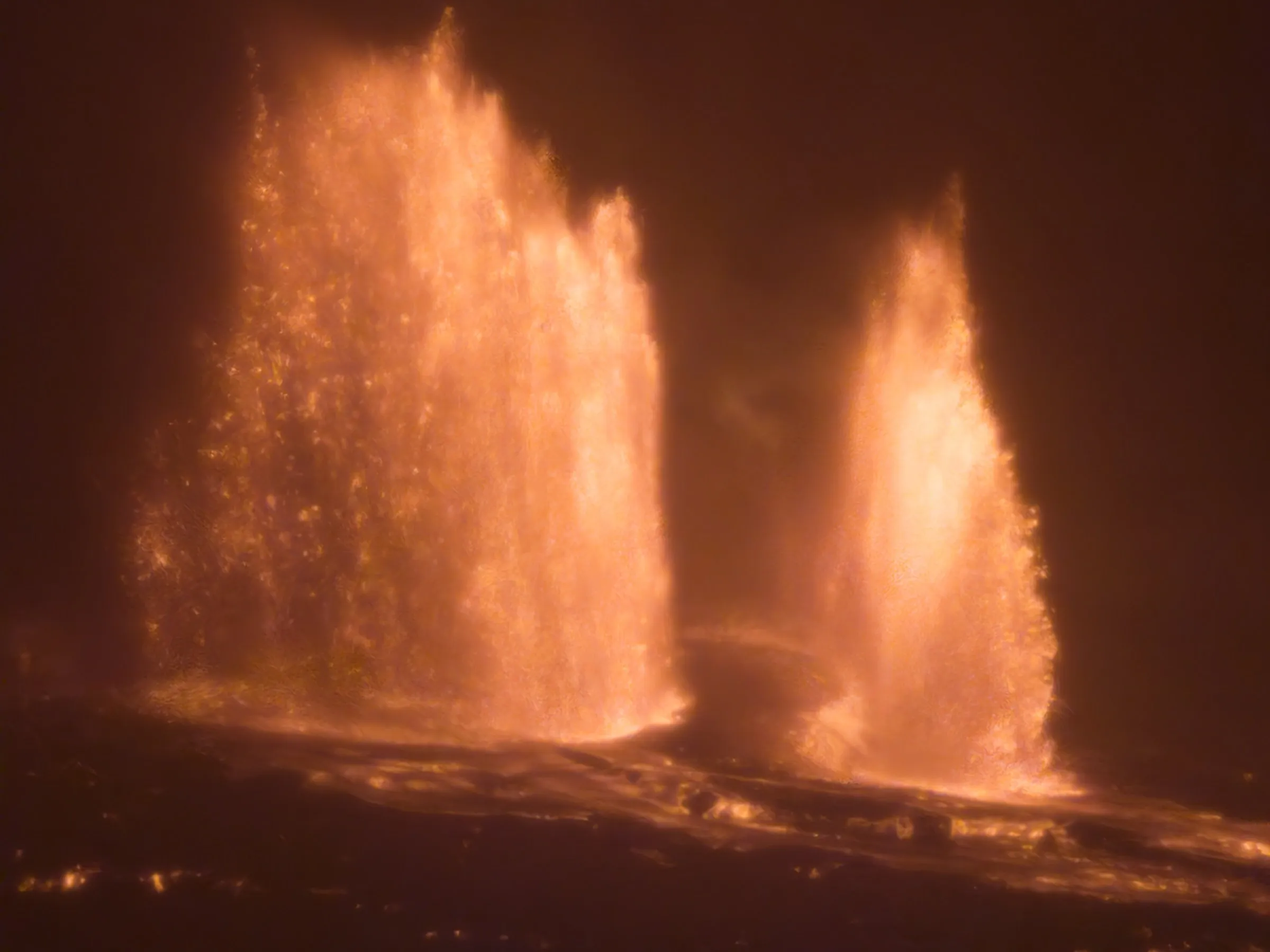
We went to the Big Island for our honeymoon expecting Hawaii to be expensive. It wasn’t, really — we stayed in Airbnbs instead of resort hotels, and most of what we actually did (snorkeling, hiking, beach time) was free. The trip we’d planned was a circular drive: fly into Kona, work our way to the volcanoes side, end on Hilo’s rainier east coast, then come back. What we didn’t plan was that on Day 6, the volcano actually erupted, and we ended up at Volcanoes National Park at night watching lava in person. That part is not transferable. The rest of the route is.
Seven days, two of us, no tour package. February 13 to 20, 2026.
The route at a glance
- Day 1 — SFO ✈️ Kona. Land mid-afternoon, drive to Kona, watch the first sunset at Magic Sand Beach.
- Day 2 — Kona day. Honokohau Beach for sea turtles (100% sighting rate, in our experience), Iruka night dive with manta rays.
- Day 3 — Kona to the volcano side. Stops at Kahaluʻu Beach, Two Step / Pu’uhonua O Honaunau, Kua Bay, and the Punaluʻu black sand beach.
- Day 4 — Volcanoes day. Hawaii Volcanoes National Park main loop, then up to Mauna Kea for the cloud-sea sunset.
- Day 5 — Move to Hilo. Volcanoes National Park’s quieter side roads (including Hilina Pali), then Kehena Beach on the way down.
- Day 6 — Hilo day, then volcano. Pineapples Island Fresh Cuisine + Hilo Farmers Market, Rainbow Falls, and at sundown — the eruption. We turned around and drove back to Volcanoes National Park.
- Day 7 — North coast back to Kona. Onomea Trail botanical walk, ʻAkaka Falls, Laupāhoehoe Point, then the red-eye home.
Practical notes
Earplugs. There are roosters and coqui frogs on the Big Island. We didn’t know our Airbnb was near a rooster until 3am the first morning, when he started crowing and didn’t stop until six. Earplugs every night after that.
Airbnb over resort hotel. The Big Island isn’t a “lie on the beach” island — you’re out all day driving and exploring, and lodging is mostly for sleeping. Airbnbs are cheaper than hotels here, and the gap between a nice hotel and a basic one matters less when you’re only in the room for six hours.
Rental car. You have to rent — the island is large and nothing is walkable between stops. A 4WD is required only if you’re driving up to Mauna Kea summit; everywhere else, a regular car is fine. If you have a Chinese driver’s license, hertz.cn was over $1,000 cheaper than hertz.com for the same car class on our dates — worth a quick check.
Pack for wet weather, including on dry days. The Hilo and volcano sides get rain. Hiking clothes will soak; Airbnbs often don’t have dryers, so things don’t dry overnight. Bring more layers than you think, water shoes, flip-flops, and hiking shoes.
At the volcano in rain: waterproof jacket, not an umbrella. The wind on the caldera rim makes umbrellas useless.
Snorkeling
The famous snorkel spot is Captain Cook Monument — reachable by hike, kayak, or a 4–6 hour boat tour. All three were too time-consuming for the amount of snorkeling we wanted, so we skipped it and stayed shore-based.
- Kahaluʻu Beach — beginner-safe. Water is clear, waves are minimal, in places you can stand up. With a life vest, even non-swimmers can join.
- Two Step (Pu’uhonua O Honaunau) — bigger swells, more current, no sand entry.
Before driving out, check Surf Forecast for the State of Hawaii for your target spot — saves you a wasted trip on a windy day.
We rented our snorkel gear on-island at Boss Frogs. Their GoPro is $30 per 24 hours — the same price as the dive boat charges to use one just for the manta night dive, but with Boss Frogs you can also use it for snorkeling the next morning. Pick up around 10am Day 1, return 10am Day 2.
For the manta ray night dive, we went with Iruka. Non-swimmers can do this — you float on a noodle, you don’t actually dive.
The volcano and Mauna Kea
On Day 4 we did the main loop at Hawaii Volcanoes National Park. Day 5 we came back through the park’s quieter side roads, including Hilina Pali Road to the overlook. It’s about two hours round trip from the main caldera area. The road is narrow enough that you sometimes have to pull onto the shoulder to let oncoming cars pass, and the wind at the overlook is real. But the payoff is a lava field old enough to have oxidized from black to brown — a color you won’t see elsewhere in the park. We passed maybe five cars in those two hours. Lizards on the rocks.
Day 6 was the eruption night. We drove back in after sundown to see the lava.
For Mauna Kea, we went up to the summit at sunset. The observatory area sits above the cloud layer. Check mountain-forecast.com for the summit before driving up — cloud sea is a weather lottery, and in the rainier months you can spend two hours on the road for nothing.
(How we timed our trip to catch the eruption — using USGS tilt data and forecast windows — is a separate guide. Worth its own post if you’re interested in volcano chasing.)
Hilo
Hilo is rainier and slower than Kona. Pineapples Island Fresh Cuisine for lunch, then a walk through the farmers’ market. Rainbow Falls is visible for free from the public viewing area — no paid tour required.
We slept in Kona for most nights, with a few in the volcano village in between.
Mahalo to Pele for the eruption — that wasn’t on the itinerary and it made the trip.
Comments
Comments are powered by GitHub Discussions. You'll need a GitHub account to post.